Navigating the Probate Process: Why a Skilled Probate Lawyer Is Essential
Managing the probate process can be challenging for many families. Emotional turmoil, legal complexities, and conflicts among heirs frequently emerge. A seasoned probate lawyer plays a significant role in directing families through these difficulties. Their expertise confirms that state laws are adhered to and the estate is administered smoothly. Comprehending the details of this process is critical, as the right legal support can substantially impact results. What factors should families evaluate when selecting the right attorney?
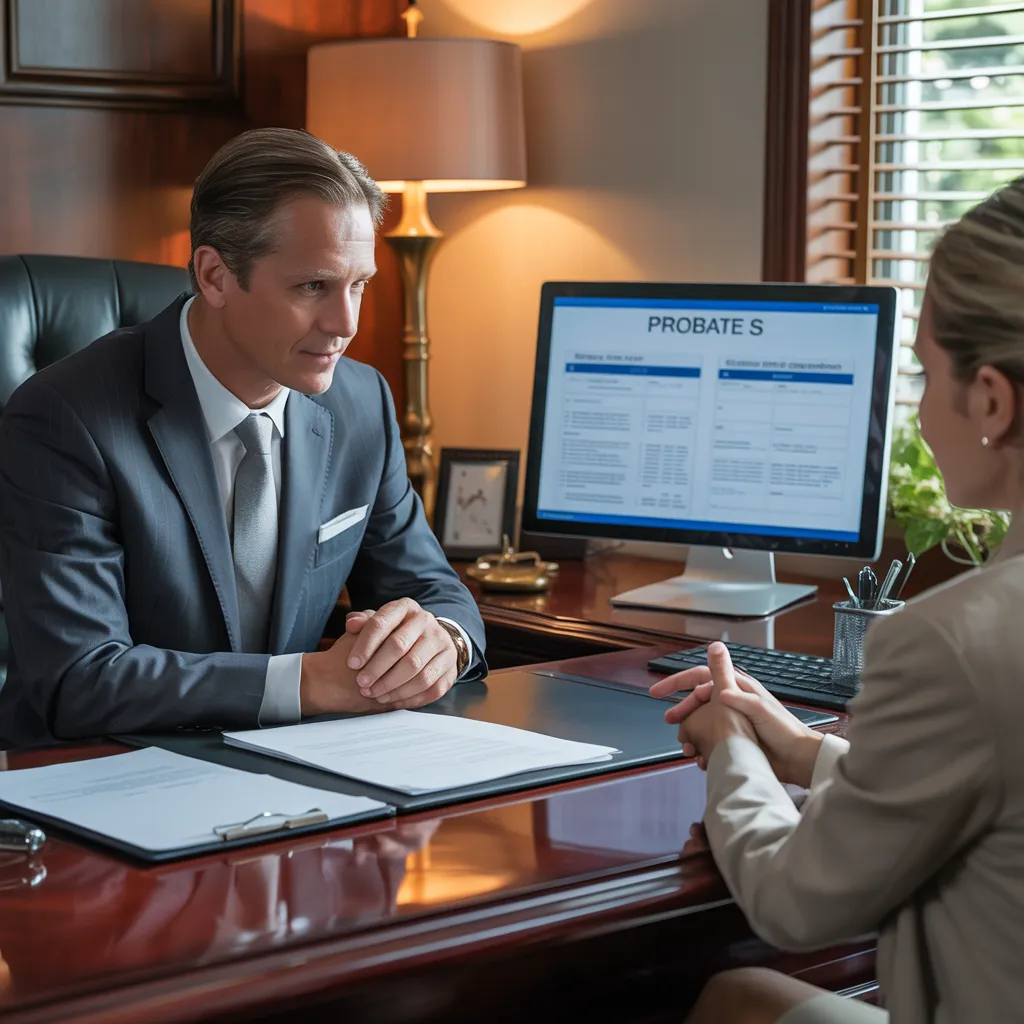
Probate Explained: Everything You Need to Know
Understanding probate proceedings is vital for anyone dealing with the estate of a deceased individual, as this court-supervised process guarantees that assets are divided according to the wishes of the deceased. Probate encompasses verifying the will of the deceased, when one is present, and managing the handling of the estate. This process generally involves filing essential paperwork with the court and notifying heirs and creditors.
The probate court guarantees that outstanding debts are paid before assets are divided, providing a transparent framework for managing the deceased's affairs. Depending on the jurisdiction, the probate procedure can range in complexity and timeframe. Considerations such as the scale of the estate, the inclusion of a will, and any disagreements among heirs can impact the process. Recognizing these factors is essential for both executors and beneficiaries, as it assists them in navigating potential difficulties and guarantees compliance with legal obligations throughout the probate procedure.
The Advantages of Working with an Experienced Probate Attorney
Engaging a knowledgeable probate lawyer offers considerable gains during the probate process. Their knowledge in legal processes can reduce stress and confusion for households managing this difficult time. Additionally, a skilled attorney secures a more expedient distribution of assets, simplifying what can often be a complex process.
Specialization In Legal Procedures
Maneuvering the challenges of probate can be daunting, especially for those new to legal intricacies. Retaining a qualified probate lawyer provides invaluable expertise, ensuring that all legal requirements are followed meticulously. These specialists are deeply experienced in state laws, court rules, and documentation requirements, which can vary considerably. Their knowledge empowers them to anticipate potential issues, minimizing delays and preventing costly mistakes. Moreover, a skilled probate lawyer can clearly correspond with all parties involved, from beneficiaries to creditors, promoting more efficient communication. Their experience in handling complex cases equips them to address disputes or challenges with confidence. Ultimately, retaining a qualified probate lawyer not only streamlines the process but also improves the likelihood of a positive outcome.
Reduced Stress And Confusion
Often, individuals going through the probate process encounter considerable stress and confusion. The difficulties of legal obligations, paperwork, and court procedures can distress those already mourning the loss of a loved one. A experienced probate lawyer alleviates this burden by offering expert direction throughout the entire process. They understand the complexities of probate law and can skillfully navigate any legal hurdles that arise. By tracking deadlines, handling required paperwork, and corresponding with all involved, a probate lawyer significantly lessens anxiety and uncertainty. This specialized assistance enables individuals to concentrate on their emotional background information well-being and personal matters, rather than becoming consumed by bureaucratic details. Ultimately, hiring a probate lawyer facilitates a smoother experience during an emotionally trying time.
Optimized Asset Distribution Workflow
A skilled probate attorney plays an essential role in ensuring an efficient asset distribution process. Their proficiency facilitates the rapid identification and assessment of assets, which is essential for prompt resolution. By managing complex legal requirements, they work to eliminate delays that can arise from confusion or disputes between heirs. A qualified attorney also encourages dialogue among beneficiaries, minimizing possible disputes and making certain all parties are updated. Additionally, they can expedite the necessary paperwork, enabling a more seamless transfer of assets. Ultimately, retaining a probate attorney not only optimizes the distribution process but also safeguards the interests of the decedent's wishes, providing a clear path for beneficiaries to follow during a challenging time.
Primary Obligations of a Probate Attorney
Probate lawyers play a critical part in supporting families through the intricacies of the probate process. Their primary duty is to facilitate the administration of a deceased person's estate, ensuring that all legal requirements are met. This involves submitting required legal documents, such as the will and petitions for probate, and advocating for the estate during court proceedings.
Furthermore, probate lawyers support locating and appraising assets, addressing financial obligations, and confirming that beneficiaries are awarded their deserved inheritances. They deliver legal counsel to estate executors and administrators, helping them understand their responsibilities and navigate any potential disputes among heirs.
Furthermore, these attorneys handle tax matters related to the estate, confirming compliance with pertinent regulations. By managing these tasks, estate lawyers help to lessen stress for families and loved ones during a trying time, enabling them to concentrate on healing instead of legal complexities. Their expertise is vital for a smooth and efficient probate process.
Common Challenges in the Probate Process
Despite having the support of a probate attorney, families regularly come across various difficulties in the course of probate administration. A major challenge is the complexity of state laws, that can differ substantially across jurisdictions and make overseeing the estate more challenging. Additionally, conflicts can emerge among heirs regarding the interpretation of the will or the distribution of assets, giving rise to disputes that may extend the timeline.
Another challenge is the need for detailed record-keeping, as missing or incomplete paperwork can lead to costly postponements. Executors may also struggle with handling the estate's financial liabilities and tax requirements, which have to be addressed before beneficiaries receive their share. In addition, emotional stress during this time can affect clear thinking, compromising sound judgment. Finally, the probate process itself can be lengthy, frequently spanning months to several years, which can create financial strain on the estate and its beneficiaries.
Common Challenges a Probate Lawyer Is Equipped to Address
Probate lawyers play an essential role in maneuvering intricate legal matters that can often overwhelm individuals. They also assist in settling disagreements within families, ensuring that the probate process proceeds without unnecessary complications. By managing these typical difficulties, probate lawyers help to minimize stress for clients during an emotionally taxing time.
Understanding Intricate Legal Processes
Navigating the complicated world of legal procedures can overwhelm even the most prepared individuals. Probate involves a wide range of forms, deadlines, and regulations that can be intimidating. A seasoned probate lawyer serves as a crucial guide, skillfully navigating these intricacies. They make certain that all necessary documents are accurately completed and submitted on time, reducing the risk of delays. Moreover, they are experienced in interpreting state-specific probate laws, which can vary considerably. This expertise helps avoid costly mistakes and ensures compliance with legal requirements. By tackling procedural challenges proactively, a probate lawyer reduces the stress on executors and beneficiaries, allowing them to focus on honoring their loved one's legacy while ensuring a smoother probate process.
Handling Family Disputes With Success
How do families successfully manage disagreements that arise during the probate process? Engaging a skilled probate lawyer can greatly ease tensions and facilitate communication among family members. Such experts have the knowledge and skills to handle legal intricacies while offering unbiased advice, helping to clarify issues such as asset distribution and will validity.
Probate lawyers often mediate discussions, ensuring all voices are heard while centering attention on the departed's objectives. They help identify common ground, minimizing the risk of extended disagreements. Furthermore, they are able to inform families of their entitlements and responsibilities, cultivating a collaborative environment. By proactively handling emerging disagreements, these legal professionals not only streamline the process but also mitigate emotional strain, permitting families to advance with enhanced accord and mutual comprehension.
How to Select the Best Probate Attorney
Picking the best probate lawyer can considerably influence the outcome of the estate management process. Individuals should begin by seeking referrals from trusted sources, such as loved ones or close friends who have navigated probate challenges. Examining online feedback and testimonials can help evaluate a legal professional's reputation and expertise.
It is essential to evaluate the lawyer's experience specifically in probate law, as this specialization can greatly influence the process. Those seeking legal help should question the lawyer's familiarity with local probate courts and procedures, as familiarity with the local legal landscape can be beneficial.
Arranging a preliminary meeting gives people the opportunity to evaluate the lawyer's manner of communication and dedication to client care. During this meeting, discussing fees and payment structures is important to avoid any misunderstandings later. In the end, selecting a probate attorney who exhibits both expertise and understanding is vital for handling the challenges of the probate process with confidence.
FAQs About Probate Law
What questions often arise when individuals confront the probate process? Numerous individuals seek guidance on how long probate usually takes, which can differ significantly depending on the estate's complexity and applicable laws. Some inquire about the expenses associated with probate, such as court filing fees and legal counsel costs, which can accumulate throughout the process.
Many people often question whether probate is always necessary; in some cases, assets can be transferred without it, most notably when held within a trust or assigned to specific beneficiaries. Furthermore, concerns regarding the executor's role frequently come up, as people seek clarity on their duties and possible legal obligations.
Issues surrounding contesting a will frequently come up, as interested parties commonly want to learn the reasons for challenging a will and the probability of a favorable outcome. Ultimately, many ask questions about how assets will be divided, wanting to understand the process and timeline for receiving their inheritance. Responding to these frequently asked questions can substantially simplify the understanding of probate proceedings.
Common Questions and Answers
How Long Does the Probate Process Typically Take?
The estate probate process generally takes six to twelve months, depending on the estate's complexity, the governing jurisdiction, and whether any disputes arise. Delays can occur due to paperwork issues, claims from creditors, or family disagreements.
Is It Possible to Avoid Probate Entirely?
Probate is frequently avoidable by utilizing strategies like creating trusts, naming beneficiaries, or holding assets jointly. These approaches enable easier transitions of assets without the need for formal probate proceedings, providing significant benefits to heirs.
What Costs Are Involved in the Probate Process?
Probate costs typically include court filing fees, legal fees, executor compensation, and property appraisal costs. Such expenses may differ considerably according to how complex the estate is, the applicable jurisdiction, and whether any conflicts emerge between beneficiaries or creditors.
What Are the Steps to Contest a Will During Probate?
To challenge a will in probate, an individual must submit a formal objection with the court, providing proof of undue influence, lack of testamentary capacity, or improper execution. Legal counsel is often essential to navigate this complex process effectively.
What Happens if Someone Dies Without a Will
If someone dies without a will, their estate is considered intestate. Applicable state laws regulate the dispersal of assets, usually placing spouses and children first, while courts assign an administrator to manage the probate process.